
Hybrid Solar System for Australian Homes: How It Works and How to Choose
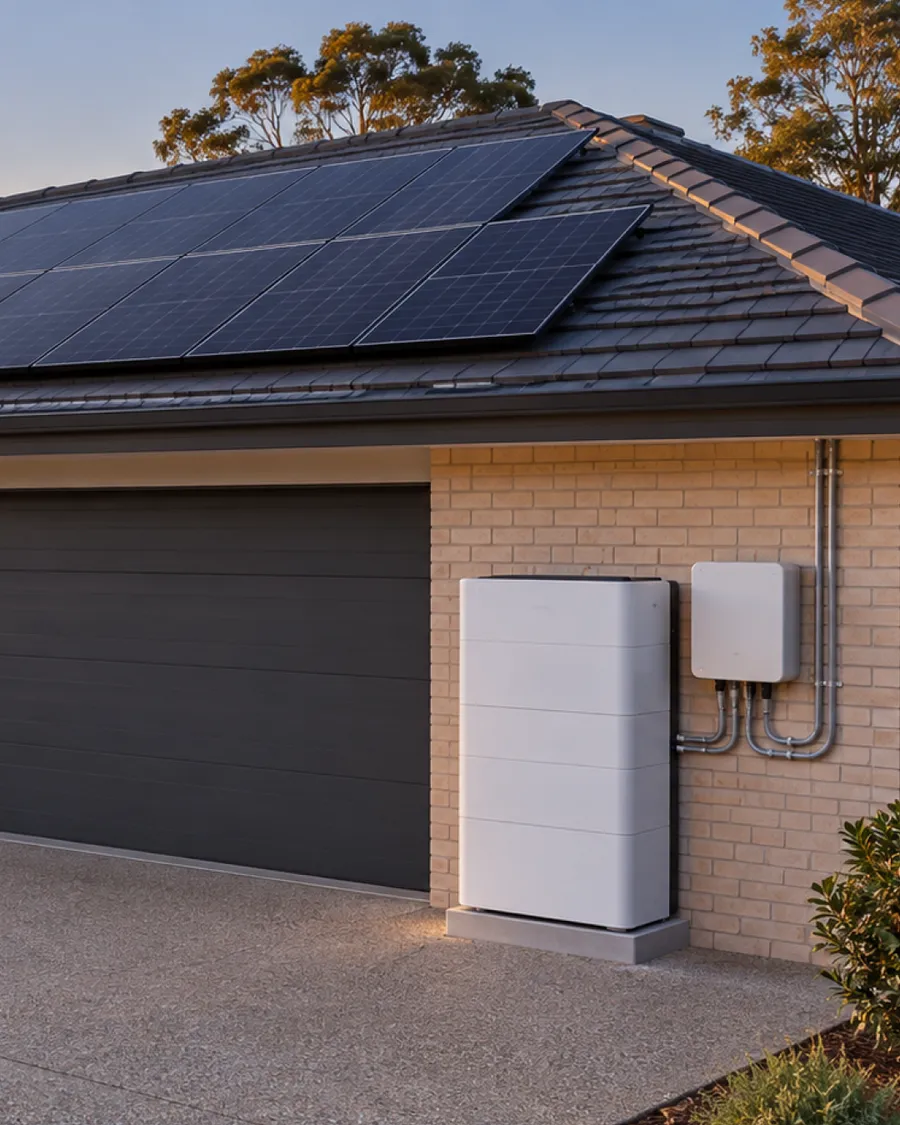
A hybrid solar system puts rooftop panels and a home battery on one hybrid inverter that stays connected to the grid. During the day the inverter sends solar power to your appliances first, then to the battery, then exports whatever is left. After sunset it draws on the battery before buying power from your retailer. That order matters because the evening peak, when panels produce nothing, is usually the most expensive time to buy electricity on a time-of-use plan.
Below we cover how a hybrid solar system is put together, what changed for battery rebates in 2026, and what to ask before you accept a quote.
Hybrid inverter vs normal inverter
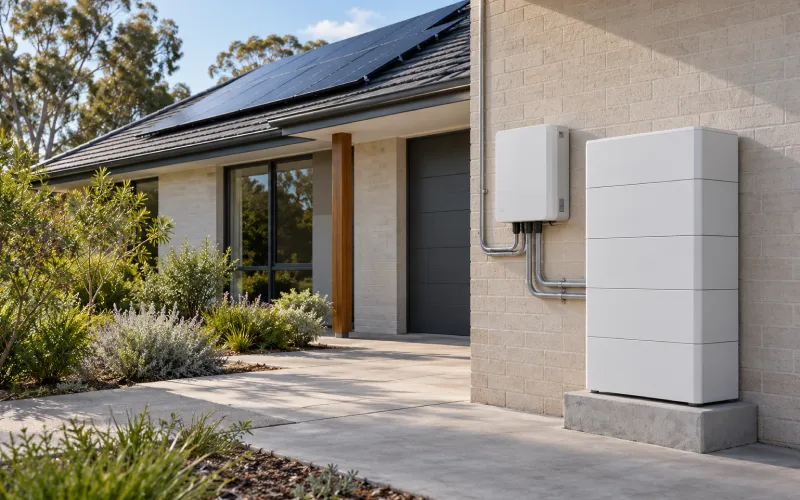
A standard solar inverter converts DC power from the panels into AC power for the house. It can't charge or discharge a battery, and it switches off during a blackout as a grid-safety requirement. A hybrid inverter does the same conversion but also manages a battery, deciding moment to moment whether energy goes to the house, the battery or the grid.
If your current inverter is reliable and still under warranty, an AC-coupled battery (one with its own built-in inverter) can be added without touching it. If the old inverter is near the end of its life, replacing it with a hybrid inverter is often the tidier option, since one unit then handles both jobs.
Three ways to set up a hybrid solar system with battery
-
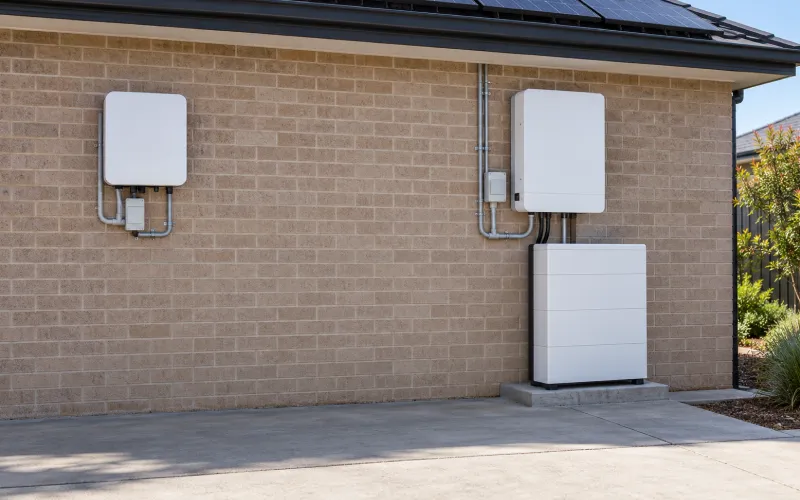
Everything is installed together. Panels, hybrid inverter and battery go in at once, so the array, inverter and battery can be sized as a set. Our 10kW solar system and 13kW solar system pages explain how panel capacity relates to daily usage.
-
Battery ready now, battery later. You installed panels and a hybrid inverter today and add the battery later. Upfront cost is lower, but many hybrid inverters only work with certain battery models, so check the compatibility list first. The battery rebate is also worked out on the day the battery is installed, and the rate drops every six months.
-
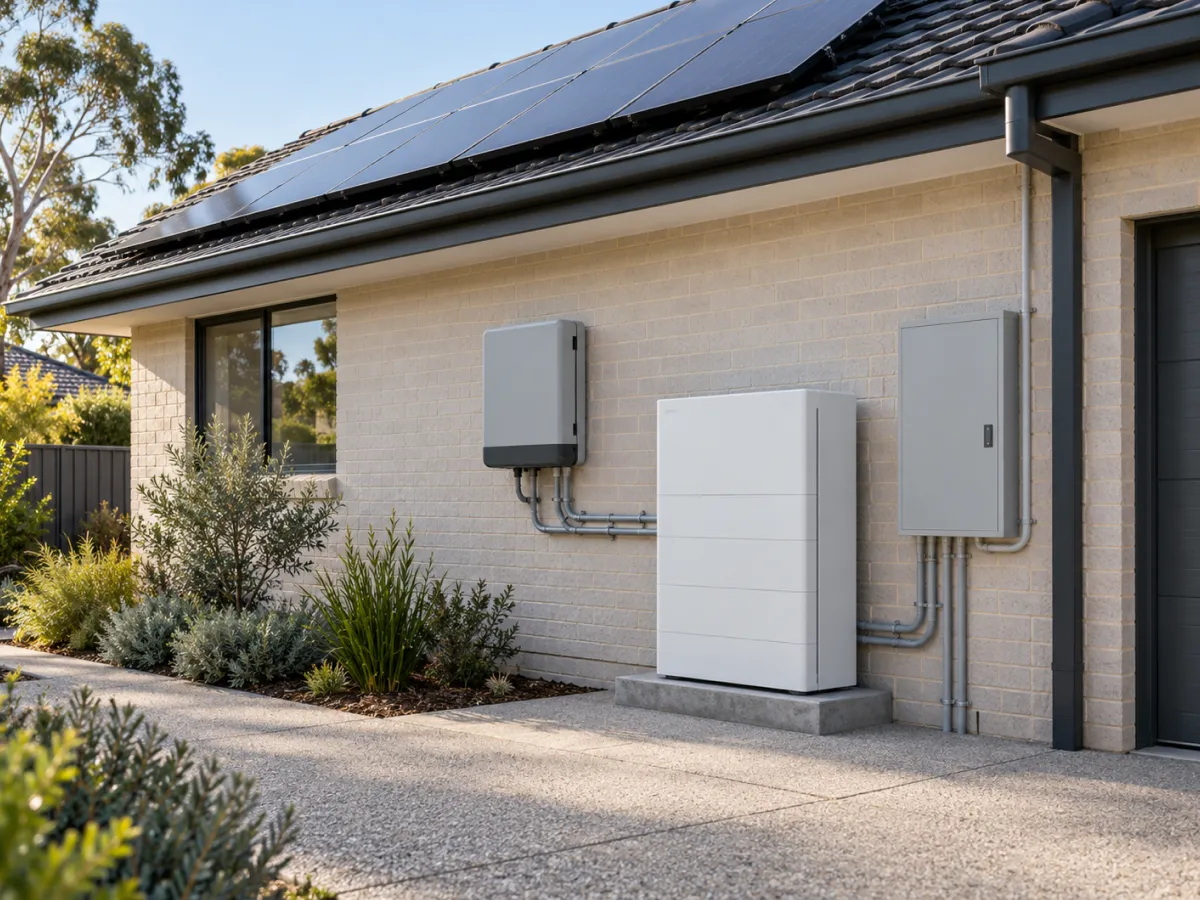
Add storage to existing solar. This is either the AC-coupled route or an inverter swap. A 6.6kW solar system that exports most of its daytime output is a common starting point.
What changed for battery rebates in 2026?
The federal Cheaper Home Batteries Program started on 1 July 2025 and delivers its discount through Small-scale Technology Certificates (STCs), which the installer normally takes off the price.
The STC factor fell to 6.8 for batteries installed up to 31 December 2026, down from 8.4 earlier in the year, and it now falls every six months.
Capacity is also tiered:
- First 14kWh of usable capacity: 100% of the STC factor
- Above 14kWh up to 28kWh: 60%
- Above 28kWh up to 50kWh: 15%
Batteries up to 100kWh can still qualify, but capacity above 50kWh attracts no certificates. The extra kilowatt hours in a large battery now earn far less support than the first 14, so size storage to your actual evening and overnight use rather than to the biggest battery on offer.
To be eligible, the battery must be on the Clean Energy Council's approved list and installed by a Solar Accreditation Australia installer with battery accreditation. The inverter it connects to must be able to join a virtual power plant (VPP), although joining one is optional, and the battery has to be paired with new or existing solar.
In NSW, the Peak Demand Reduction Scheme separately offers an incentive for connecting an eligible battery to a VPP. Its rules changed in July 2026, so ask what applies at your address when you get a solar and battery quote.
Solar Sharer and battery charging
Since 1 July 2026, households in NSW, south-east Queensland and South Australia can opt into the Solar Sharer Offer, a regulated plan with up to 24kWh of free electricity in a three-hour daytime window (11am to 2pm in NSW). It needs a smart meter.
A hybrid inverter can be scheduled to top up the battery from the grid in that window on cloudy days. Compare the plan rates outside the free hours with your current offer first.
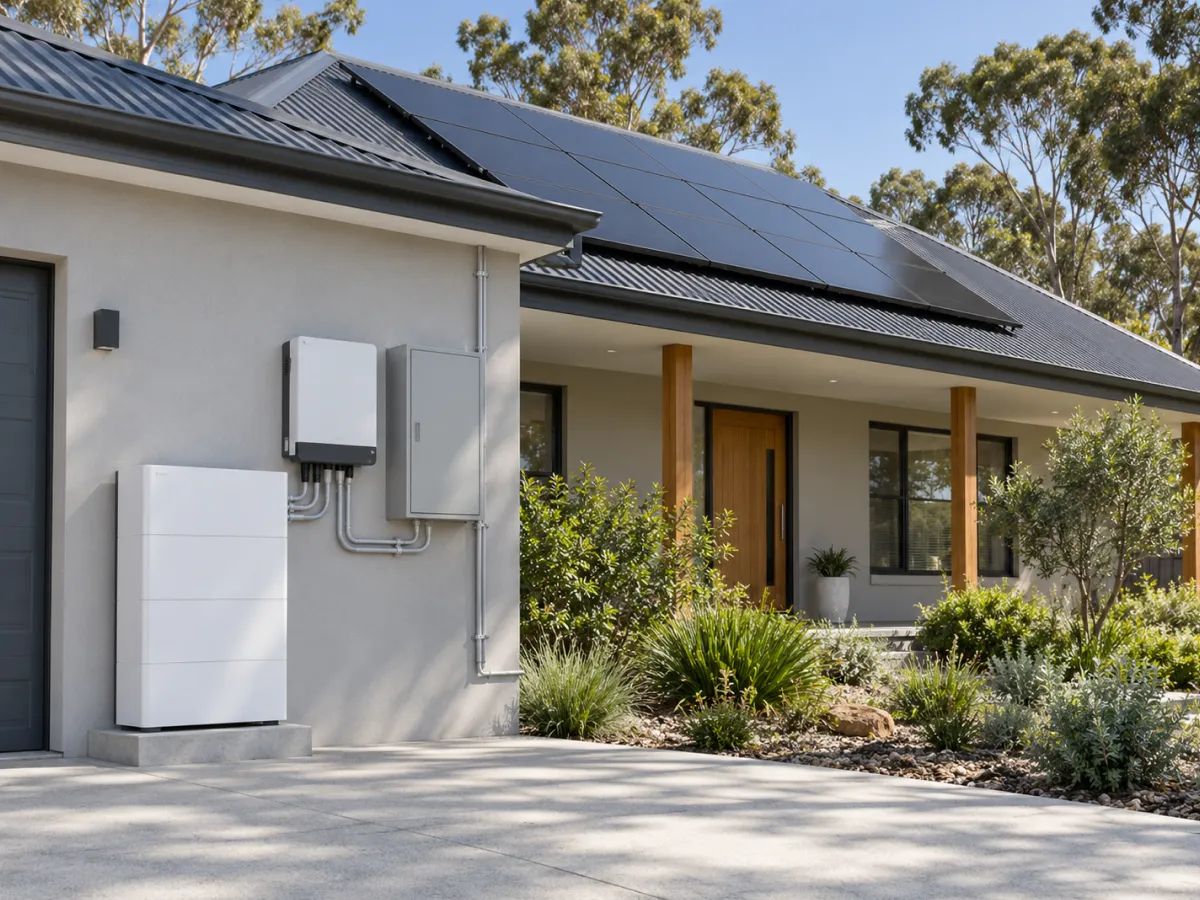
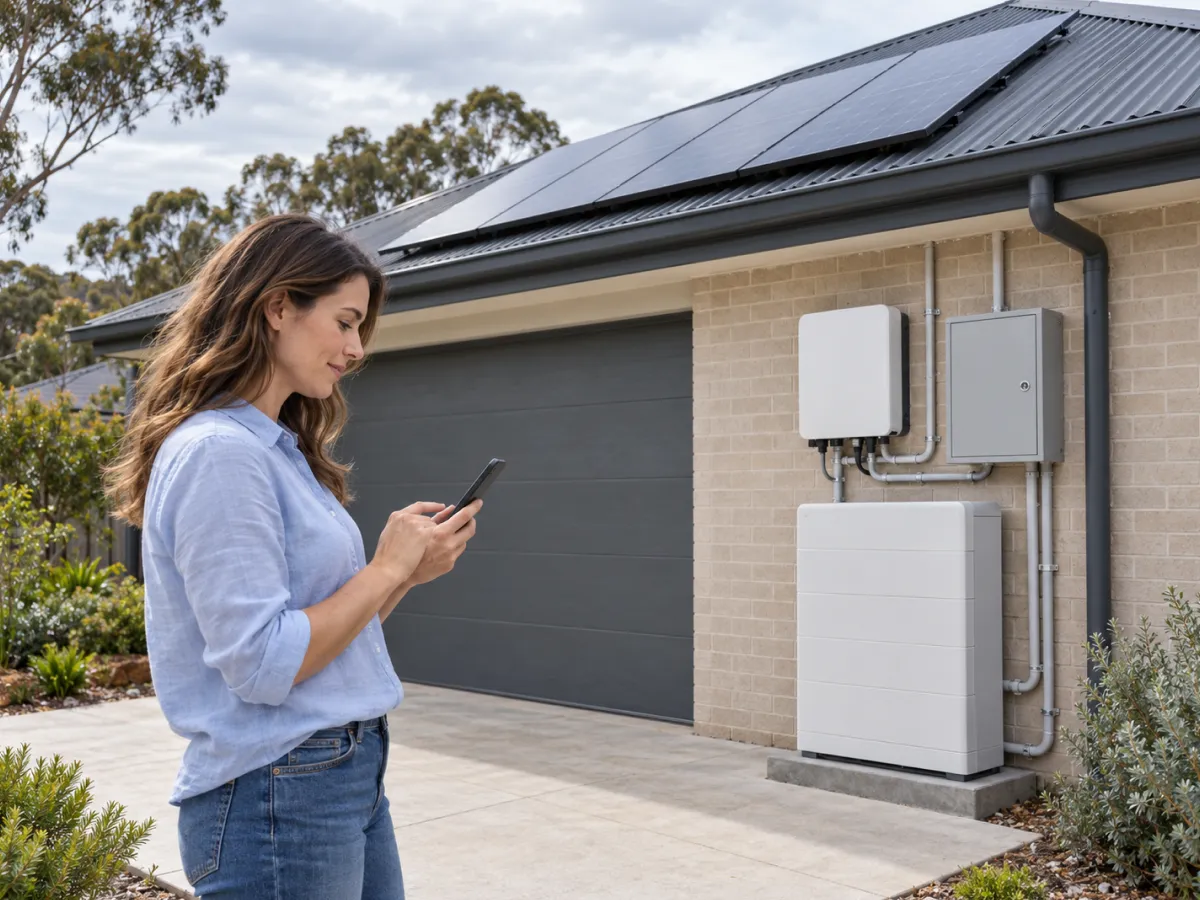
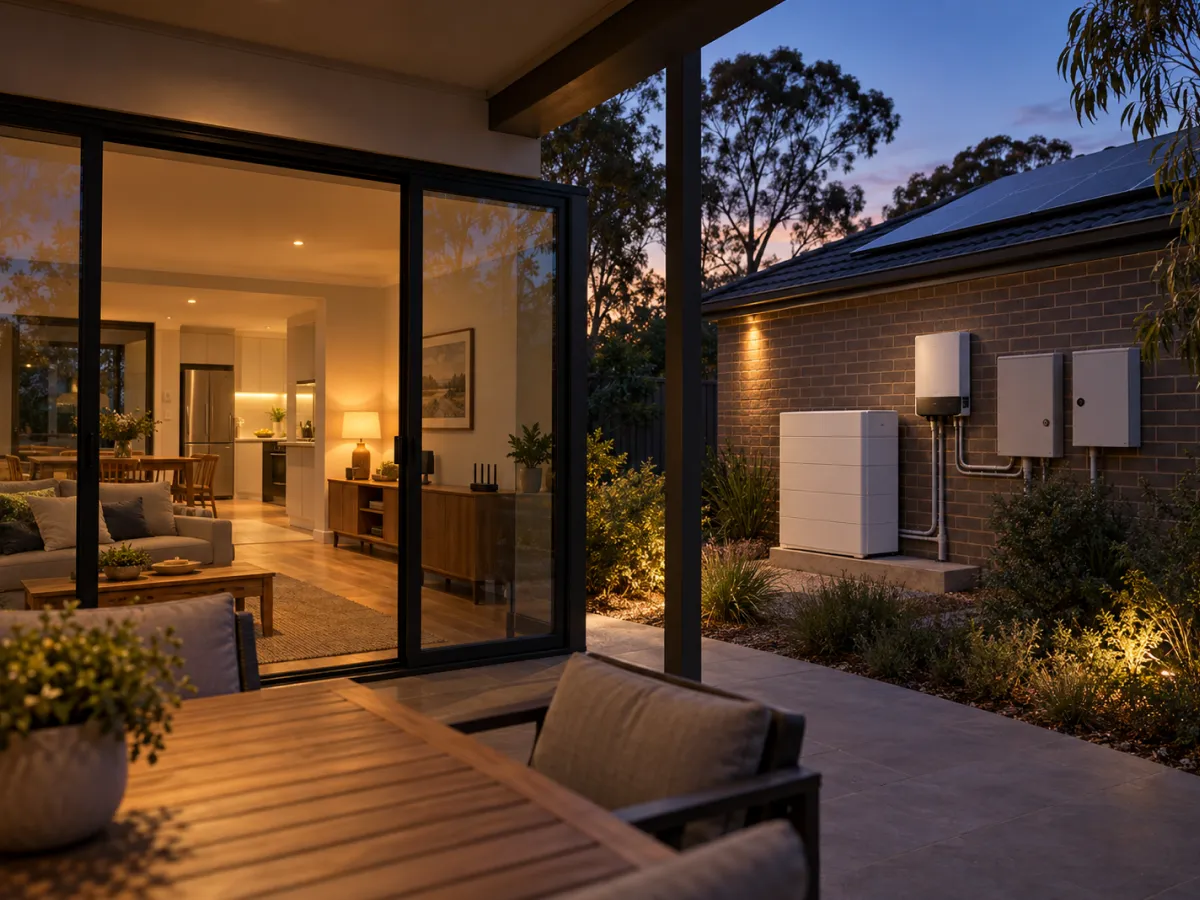
Backup power: what a hybrid system can and can't do
Owning a solar and battery system does not guarantee power in a blackout. A hybrid inverter can keep running on its own only when the system is designed with backup, which usually means extra switchgear and a separate backed-up circuit.
Most setups cover selected loads such as the fridge, lights, and internet rather than ducted air conditioning or an electric oven, because the inverter's output limits what can run at once. Some systems also can't recharge from the panels during an outage. Batteries can't go in habitable rooms, so location needs planning too.
Is a hybrid solar system right for your home?
A hybrid solar system tends to suit households that:
- use most of their power in the evening or overnight
- pay time-of-use rates and receive a low feed-in tariff
- charge an electric vehicle at home, or want backup for a home office
- have enough roof space for the panels to fill the battery in winter
It is a weaker fit for small households with low usage, or where most power is already used in daylight. Check 12 months of bills or smart meter data, note how much you use after dark, and bring that to any consultation.
Getting a hybrid solar system price
For a hybrid solar system price based on your bills and roof, contact our team or start with our residential solar overview. We'll show the STC discount line by line so you can compare it with other quotes.