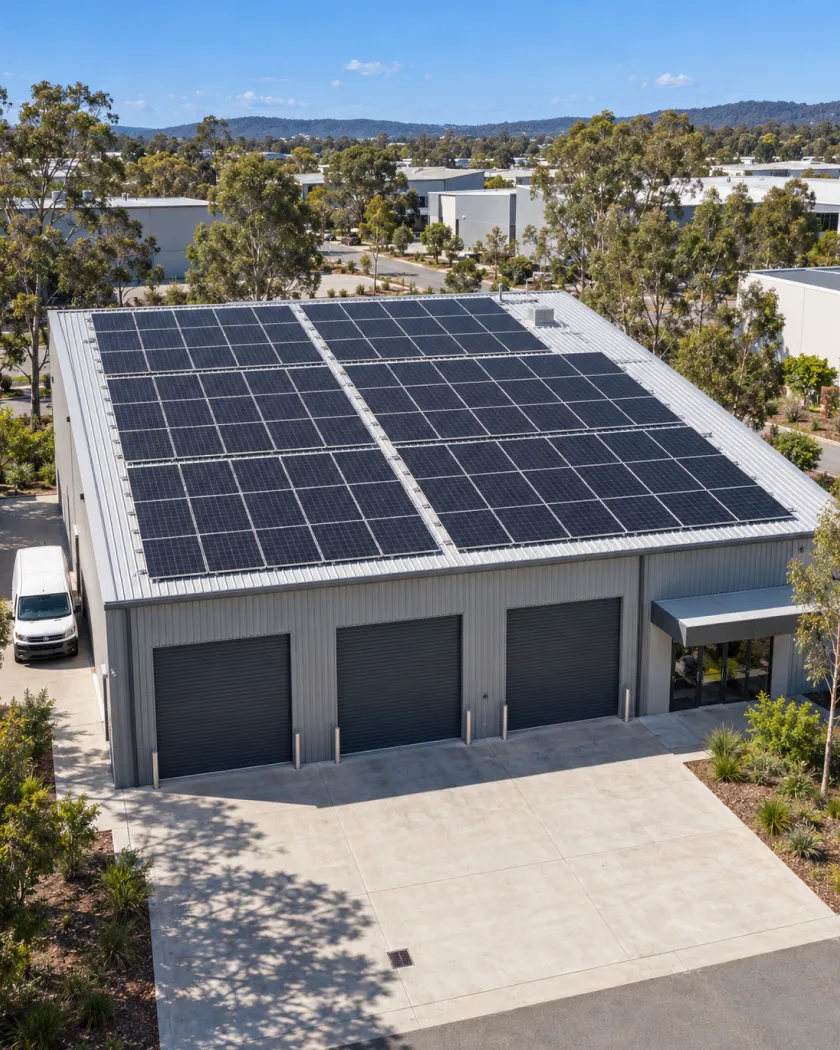
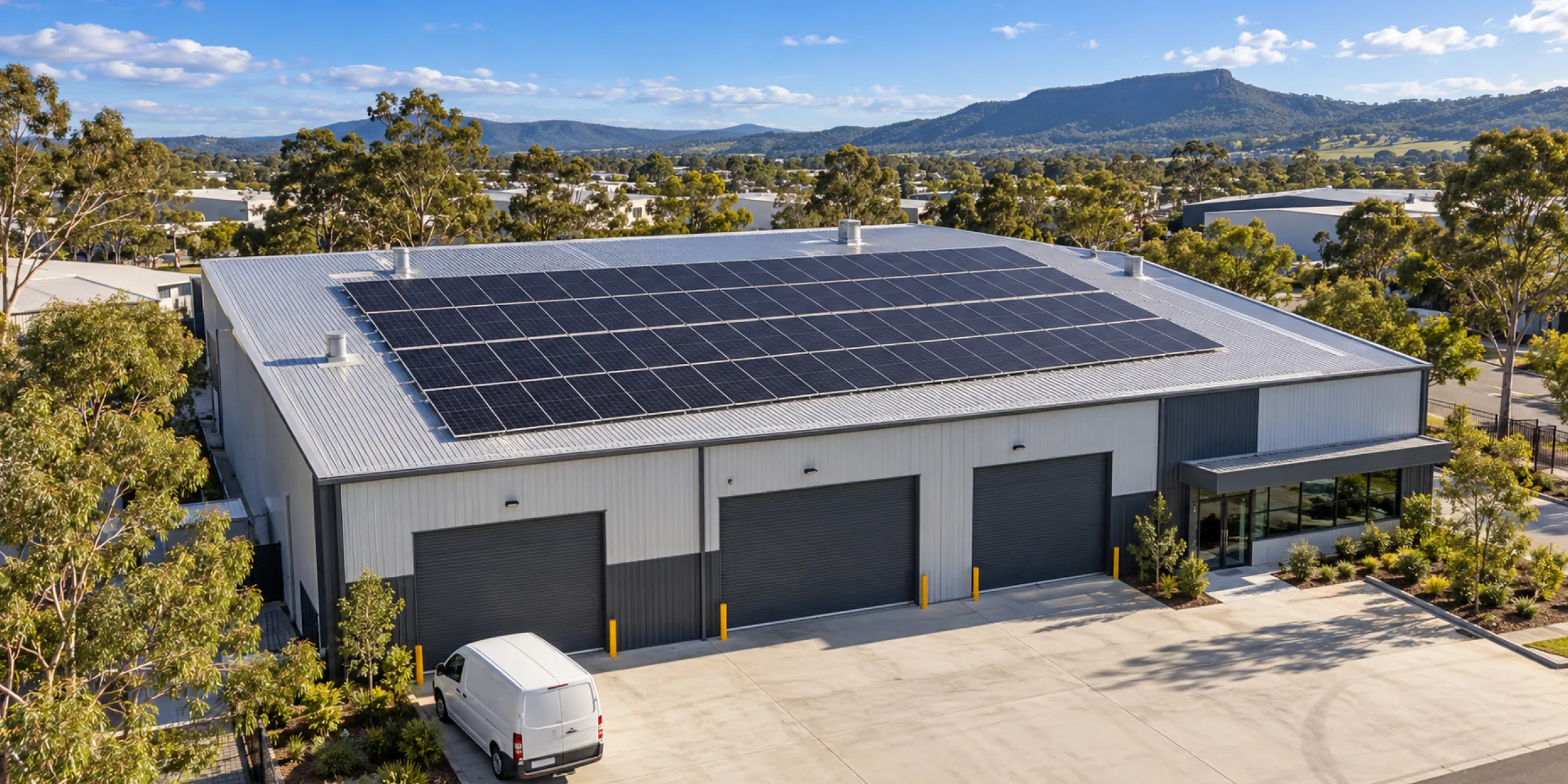
Two limits catch buyers out. First, the system produces nothing at night, so evening and overnight use stays with the grid unless you add a battery. Second, a standard grid-connected system shuts down when the grid fails, for safety reasons.

Menu
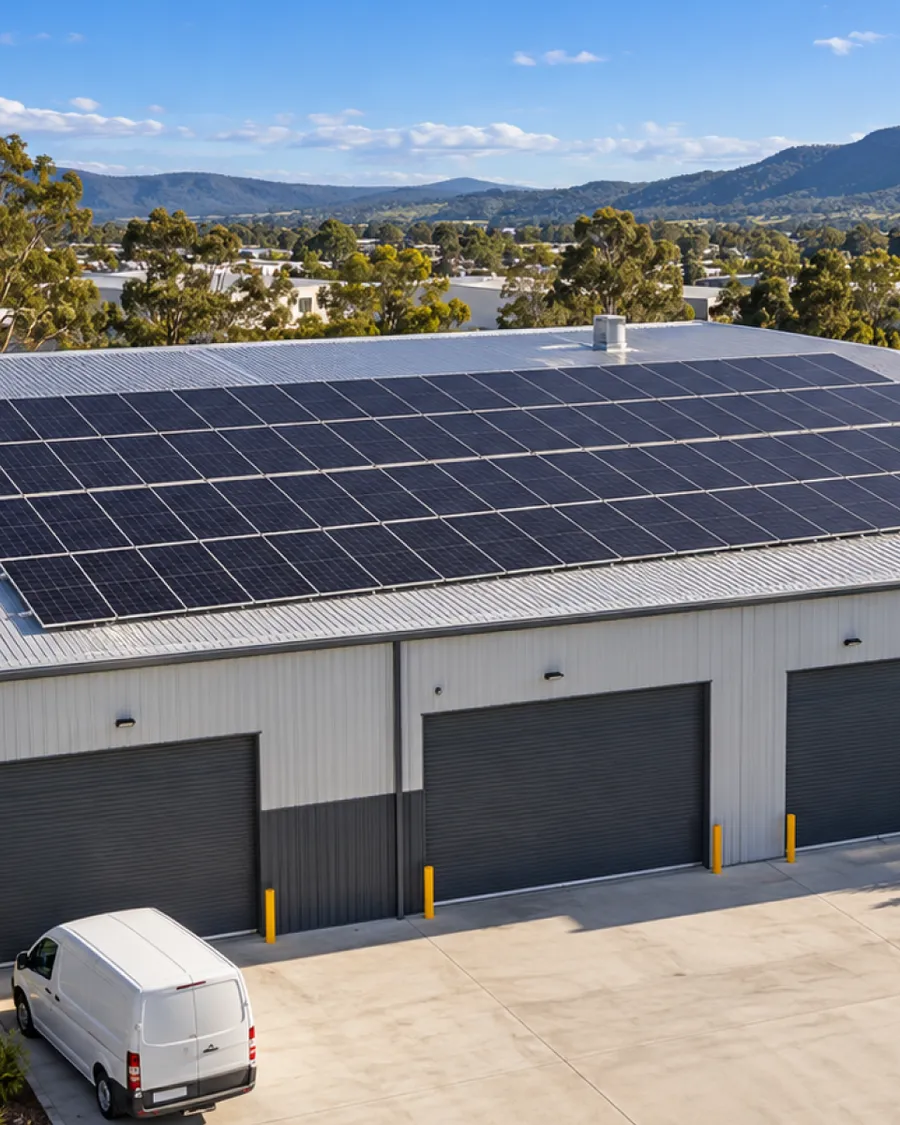
A 30kW solar system is a big step for a business. It is large enough to change a power bill noticeably, and large enough that mistakes in sizing or design cost real money. Before you collect quotes for 30kW solar panel installation, it helps to know how a system this size behaves over a year, what it can and cannot run, and what has to happen before it is switched on.
The 30kW rating is the combined power of all the panels under ideal test conditions. On a real roof, output is lower: the sun is not always overhead, panels get warm, and dust and shade take a share. The number of panels depends on the wattage of the model chosen, so ask any designer to give you the panel model and count together.
Compared with our 20kW solar system, a 30kW array needs noticeably more roof and a more carefully planned layout. The 50kW solar system sits above it for sites with bigger loads.
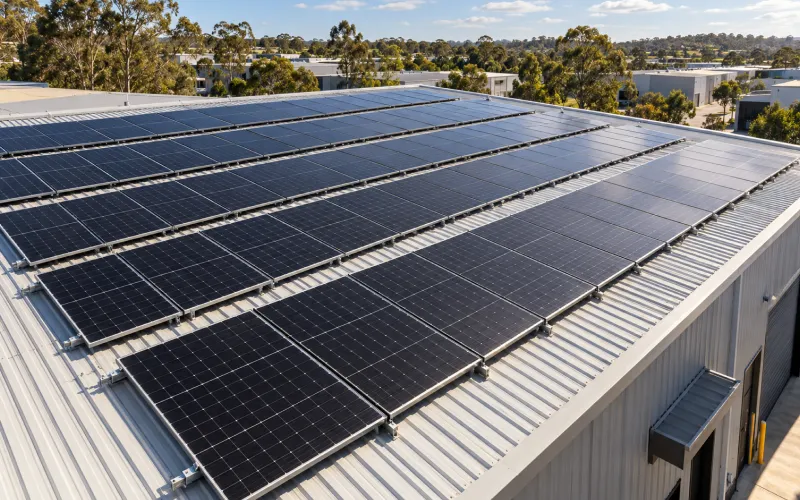
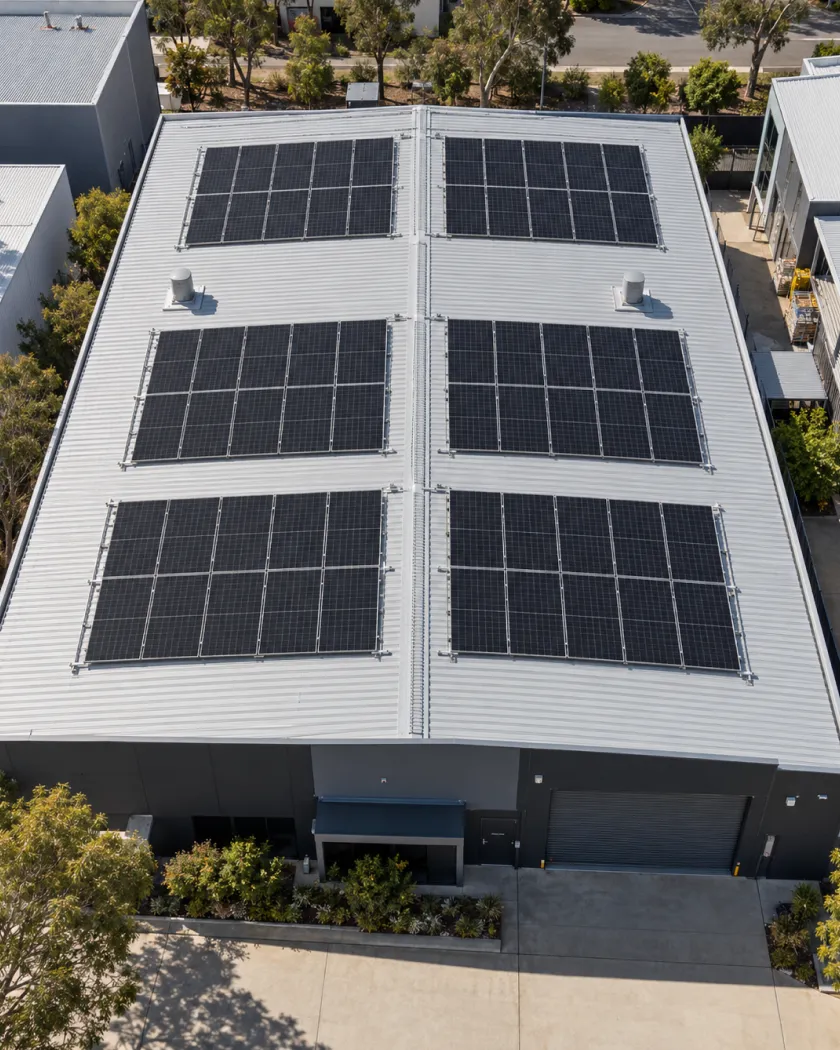
Output follows the seasons, and your trading pattern decides how much of it you use.
Summer gives the longest days and the highest output. If your business runs air conditioning or refrigeration, demand rises at the same time, which is a good match.
Winter brings shorter days and lower output. Heating loads and early finishes mean the system covers a smaller share of your use.
Cloudy and wet spells cut output sharply for a day or several. The grid fills the gap, so your supply never drops.
Weekends, public holidays and shutdowns are when a business uses least. Output carries on, so more of it goes to the grid. Exported power usually earns less than you pay for imported power, which is why sizing should follow weekday daytime use.
Ask your designer to model all of this against your interval (smart meter) data, which your retailer or distributor can supply. A single annual figure hides the pattern.
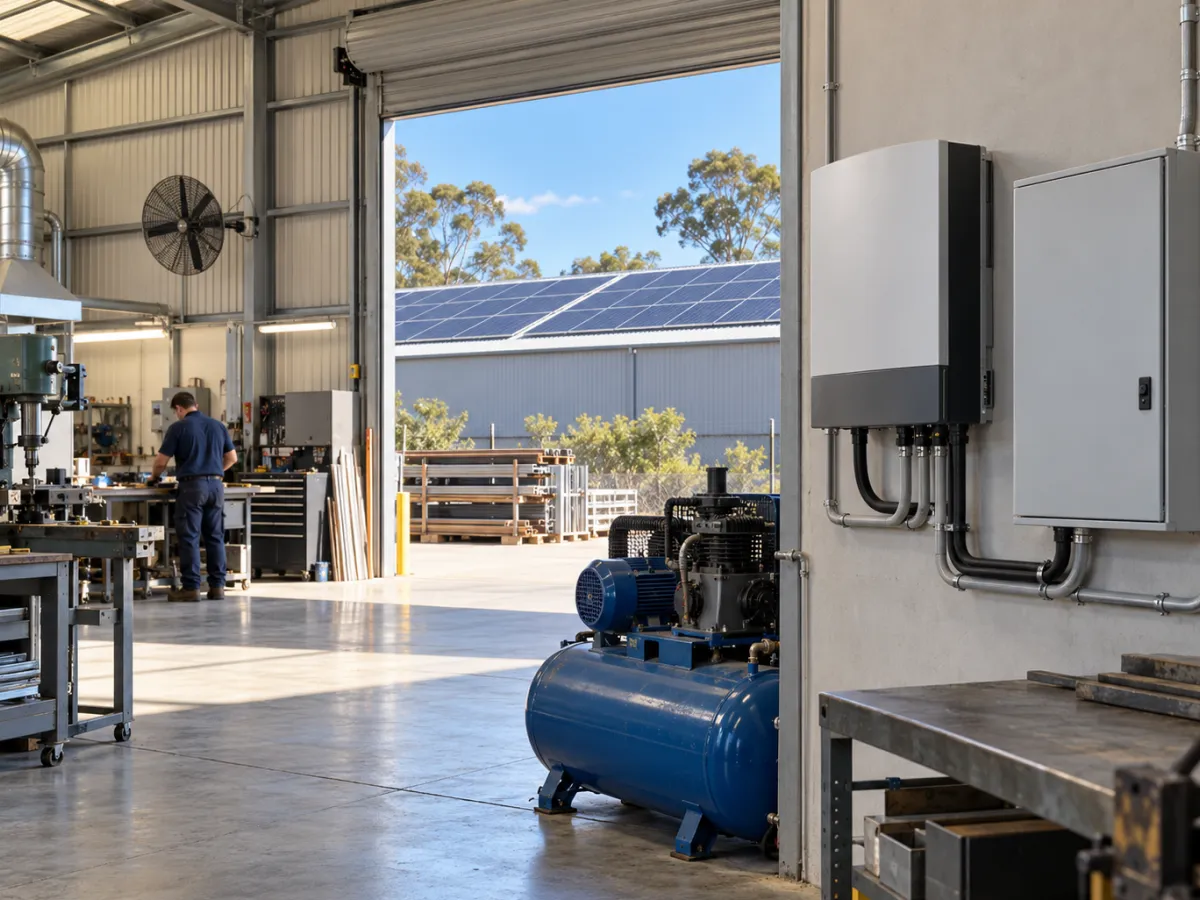
While the sun is up, the system feeds your site first and sends any surplus to the grid. Equipment that starts and stops through the day, such as compressors, pumps and air conditioners, draws from the panels when output is high and from the grid when it is not.
Two limits catch buyers out. First, the system produces nothing at night, so evening and overnight use stays with the grid unless you add a battery. Second, a standard grid-connected system shuts down when the grid fails, for safety reasons.
If you need power during a blackout, ask for a battery with backup circuits to be quoted separately. Our hybrid solar system explains how the two fit together, and small businesses can use the Cheaper Home Batteries Program for batteries of 5kWh to 100kWh nominal capacity.
For a business, the question is less about brand names and more about what happens when something goes wrong. Find out how many inverters the design uses, and whether one fault takes the whole array offline.
Ask which monitoring portal comes with it, and whether you can see it yourself. Ask what the panel and workmanship warranties cover, and who honours them if the installer closes.
Roof type matters too. Tin, tile and Klip-Lok roofs take different mounting, and an old roof may need repairs first. If your supply is three-phase, say so early, since it affects the inverter choice.
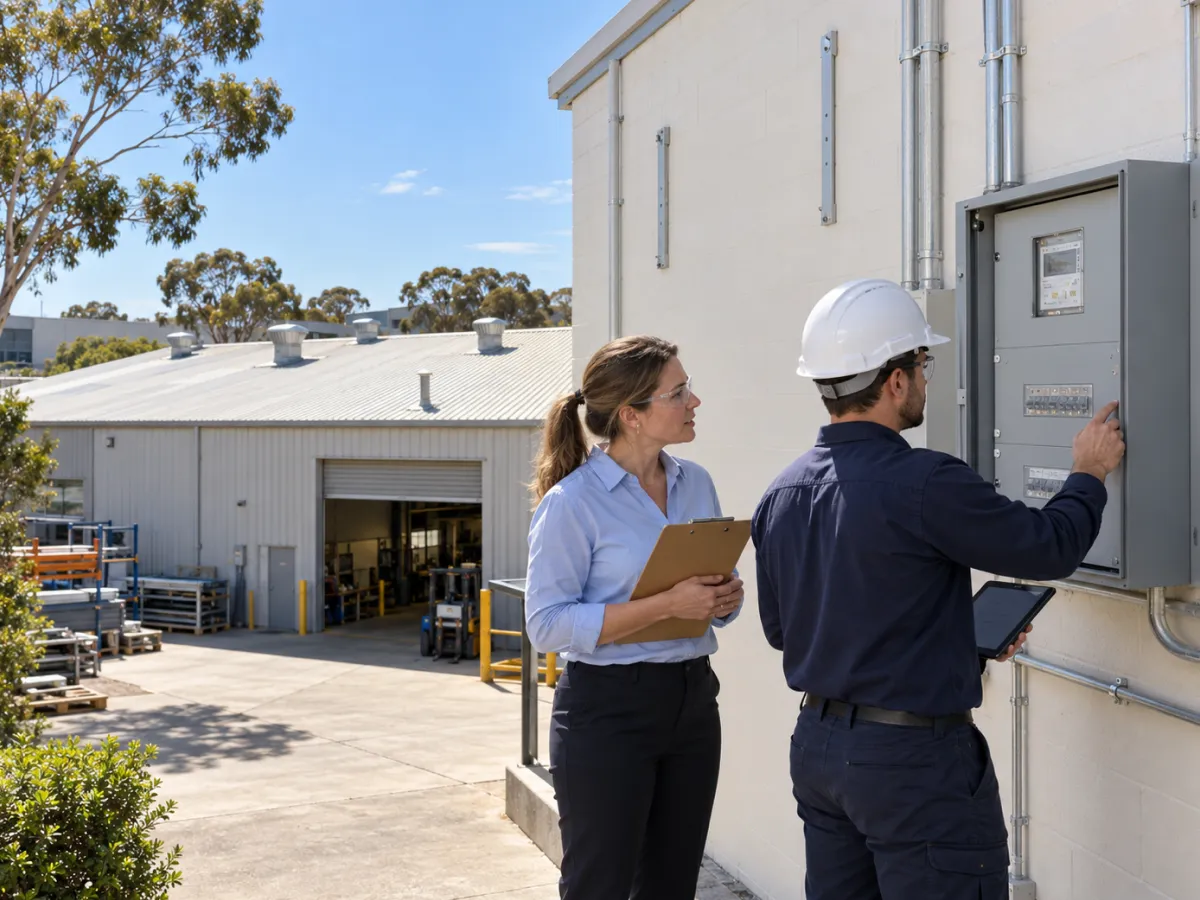
A quote written from a satellite photo is a starting point only. A proper visit looks at the roof's age and condition, whether the structure can carry the extra load, shading from neighbouring buildings or plant, and where the inverters and cabling will go.
The installer should also open the switchboard and check the meter and supply type. If you lease the premises, get the landlord's written consent before the design is finalised, and settle who owns and insures the system.
Your local distributor has to approve the connection. The installer normally lodges the application. In some areas a decision can take up to 30 business days, and the distributor may cap inverter size or exports. Rules differ between networks, so ask whether a system of 30kW is treated differently from a smaller one.
A system of this size also qualifies for small-scale technology certificates (STCs), which reduce the upfront cost. Federal rules cover systems up to 100kW, so 30kW is inside the limit.
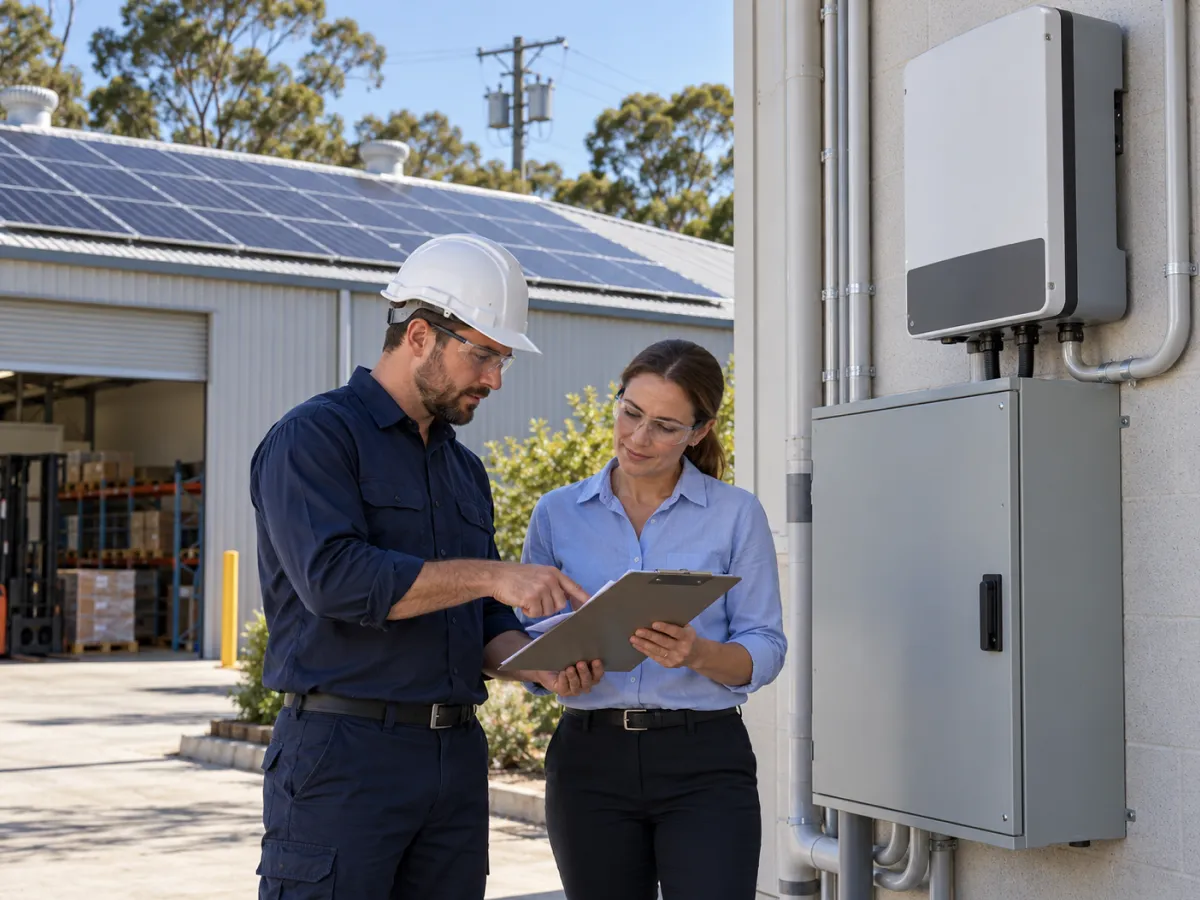

The panels and inverters must be on the Clean Energy Council list, an accredited installer must do the work, and the deeming period shortens each year until 2030, so a later install earns fewer certificates.
Most of these can be spotted before you sign.
Sizing to the roof instead of the load. A roof that fits 30kW is not a reason to install 30kW. If your weekday daytime use is well below the output, much of it goes to the grid at a lower rate than you pay to import.
Judging on summer alone. A design that looks good in January can underperform in June. Ask to see winter output.
Skipping the shading check. One shaded section can pull down a whole string of panels.
Comparing quotes by headline price. Mounting, switchboard work, network application, monitoring and warranty terms vary widely.
Leaving the network until last. Approval can take up to 30 business days in some areas, and an export limit can change the design. Raise it at the start.