13kW Solar System: Is a Large Array Worth It for Your Home?
A 13kW solar system is among the largest sizes sold for Australian houses, and it only earns its place if the home can use much of what it generates. This page looks at that decision: what you would need to use, what your network will let you export, and what a quote should show before you sign. Our package is rated 13.2kW, so exact figures below use 13.2kW. If you are still choosing, compare it with our 10kW solar system or the wider residential solar range.
the more electricity you use, the bigger the system you need, and the benefit depends on when you use it. Australian homes use roughly 11 to 23kWh a day.
A 13.2kW array is exactly twice 6.6kW. Doubling the 6.6kW figures give about 52kWh on a sunny day in Sydney, 56kWh in Brisbane and 46kWh in Hobart. That is our own calculation, and it is a good-day ceiling, because output drops in winter and depends on tilt, direction and shading.
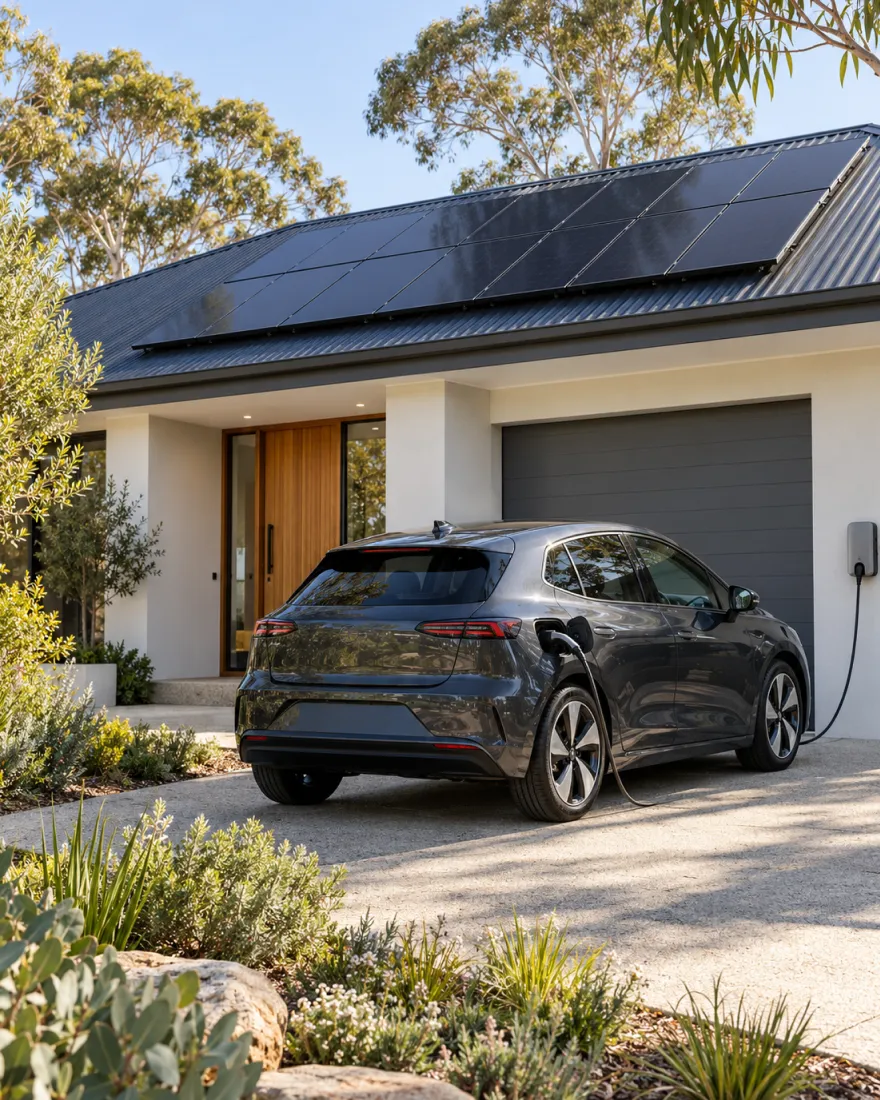
The surplus goes to the grid. Feed-in tariffs are much lower than the retail rate you pay to buy electricity, so using solar power on-site is worth more than exporting it. That points to households with heavy daytime loads: people at home on weekdays, air conditioning, a pool pump or a home EV charger. Buying an electric vehicle as something that raises future electricity needs.
If you are on a time-of-use plan, check peak and off-peak rates as well. The plan with the highest feed-in tariff is not necessarily the best for you.
13kW solar system compared with 6.6kW and 10kW
System
Roof area
Sunny-day output, Sydney
6.6kW
29 to 32m²
about 26kWh
10kW
about 44 to 48m²
about 39kWh
13.2kW
about 58 to 64m²
about 52kWh
Inverter, phase and export limits
Panel ratings and inverter ratings are different numbers. A 6.6kW array is often paired with a 5kW inverter, and the same logic applies to a 13kW solar system. If the total panel rating is higher than the inverter manufacturer's specification, the system can't access the Small-scale Renewable Energy Scheme to rebate, so ask for the inverter specification in writing.
Your connection sets the inverter ceiling. If the limit is 10kW per phase, a single-phase home can connect to a 10kW inverter, and a three-phase home can install a three-phase inverter up to 30kW.
Your network operator also sets export limits. Australian Energy Regulator guidance describes static limits, which are fixed, and flexible limits, which adjust to network conditions. Ask which one applies to your address, because exports above the limit are curtailed.
How many panels are in a 13kW solar system?
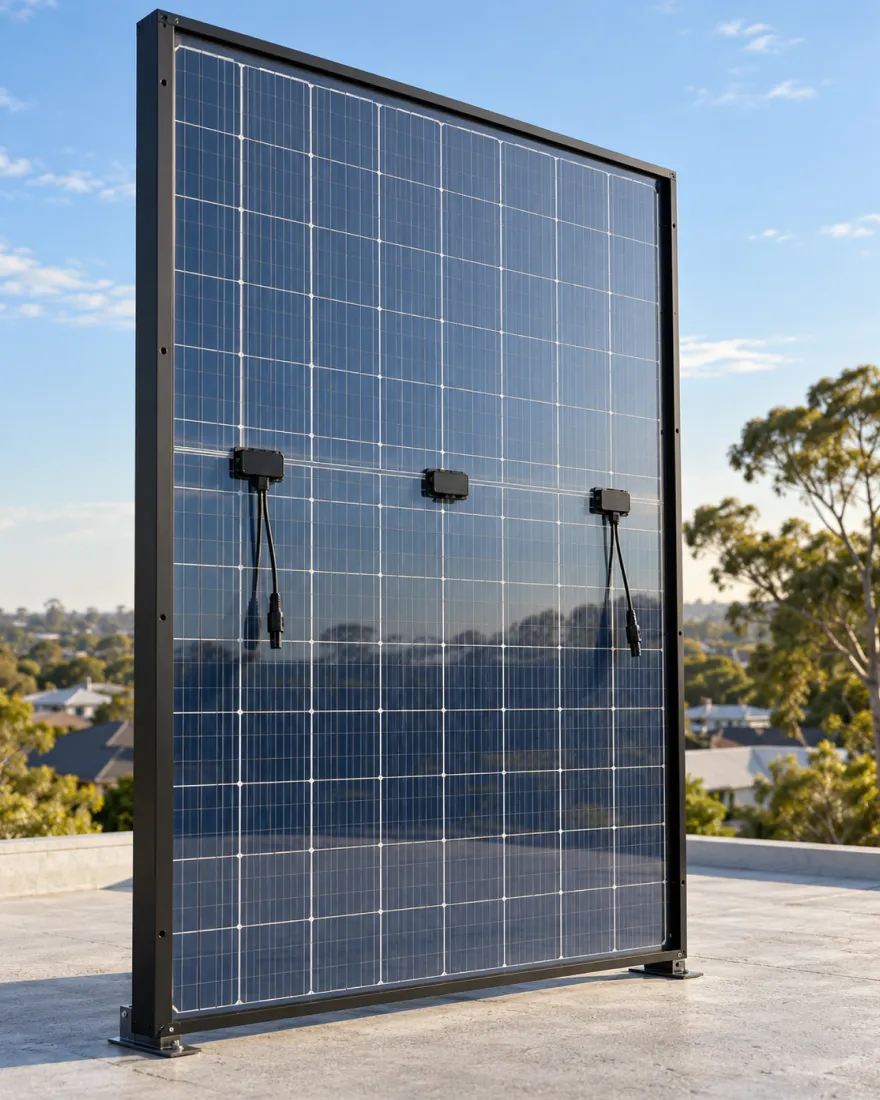
Divide the system size by the wattage of one panel. Most new 13kW systems in Australia use 26 to 30 panels:
28 panels of 475W make 13.3kW
30 panels of 440W make 13.2kW
33 panels of 400W make 13.2kW
28 panels of 475W is the most a 10kW inverter can take under the Clean Energy Council’s oversizing rules. That’s why many quotes describe a “13kW” system as 13.3kW.
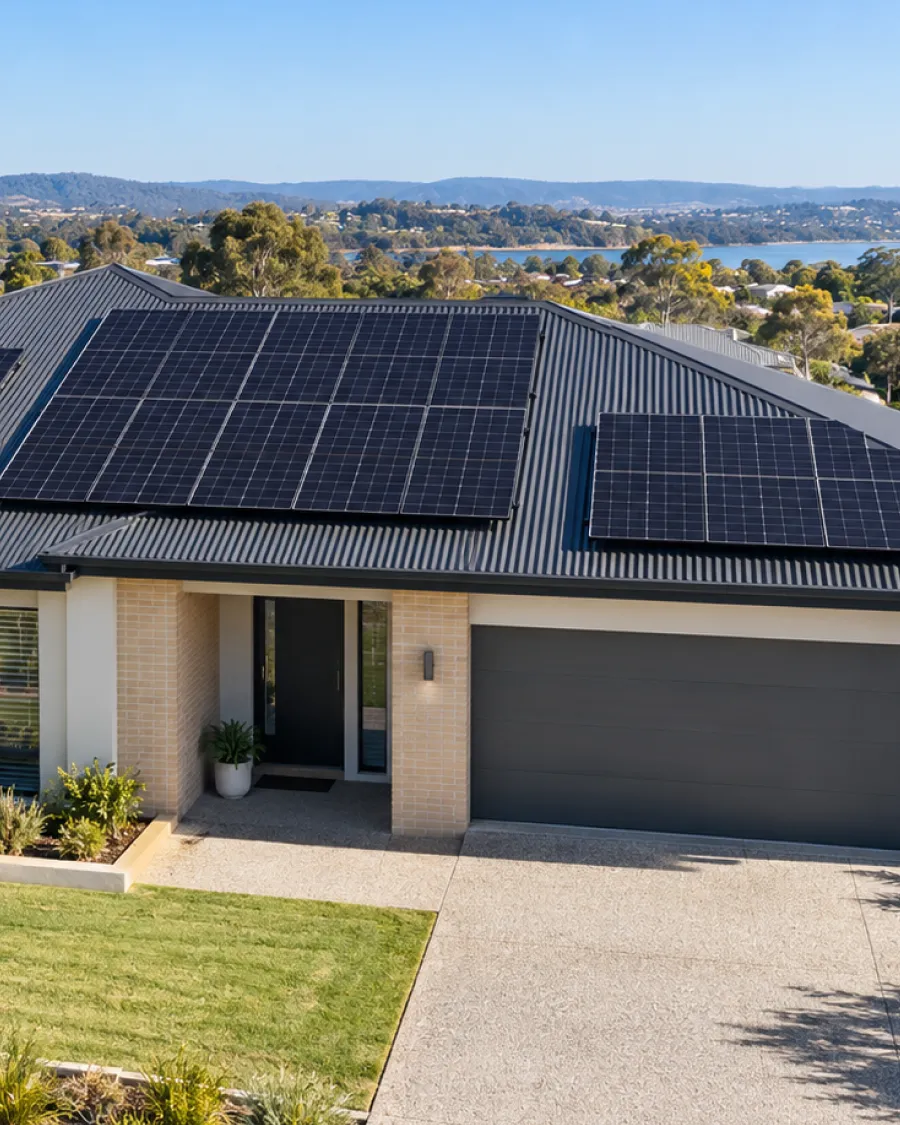
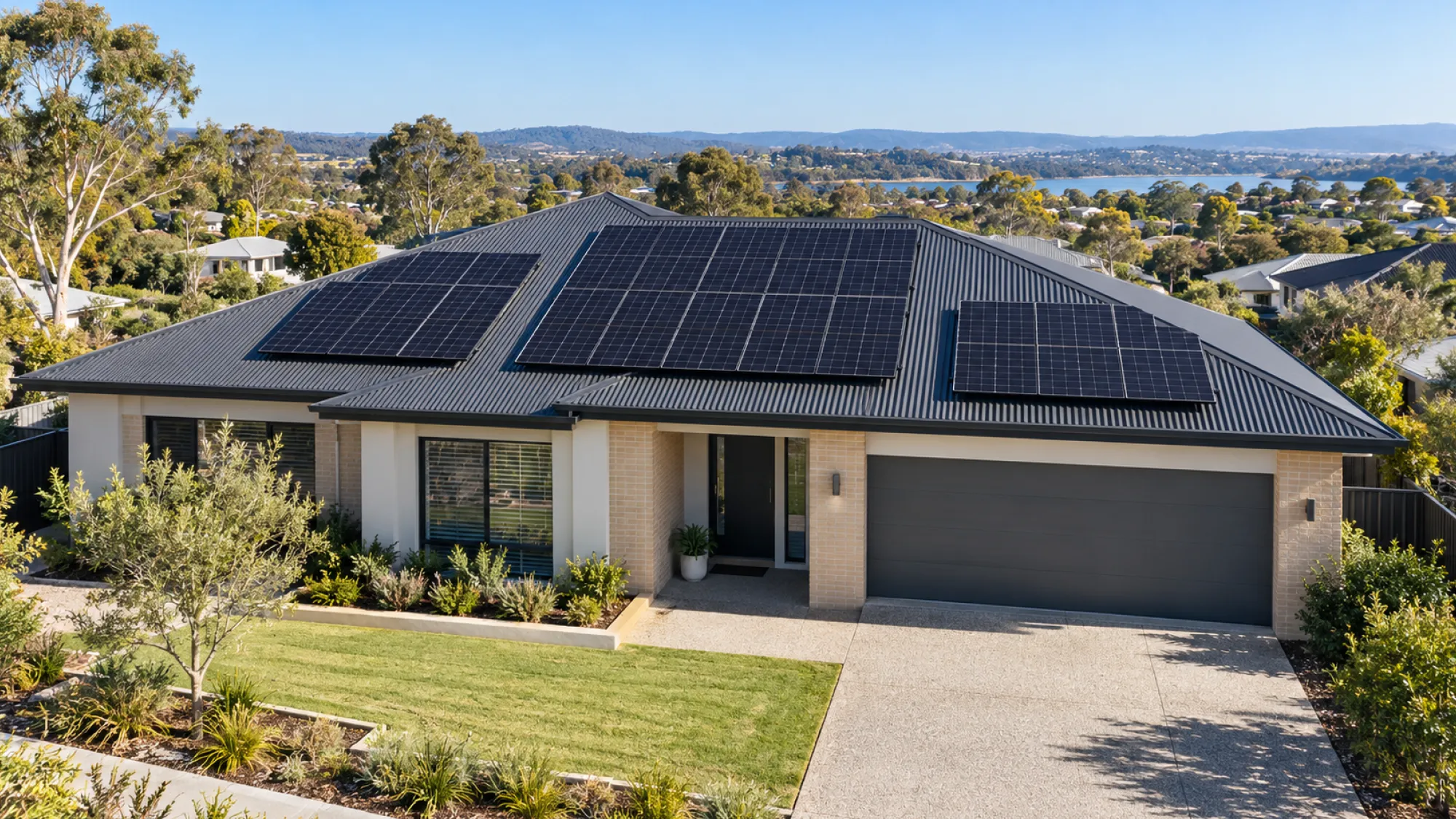
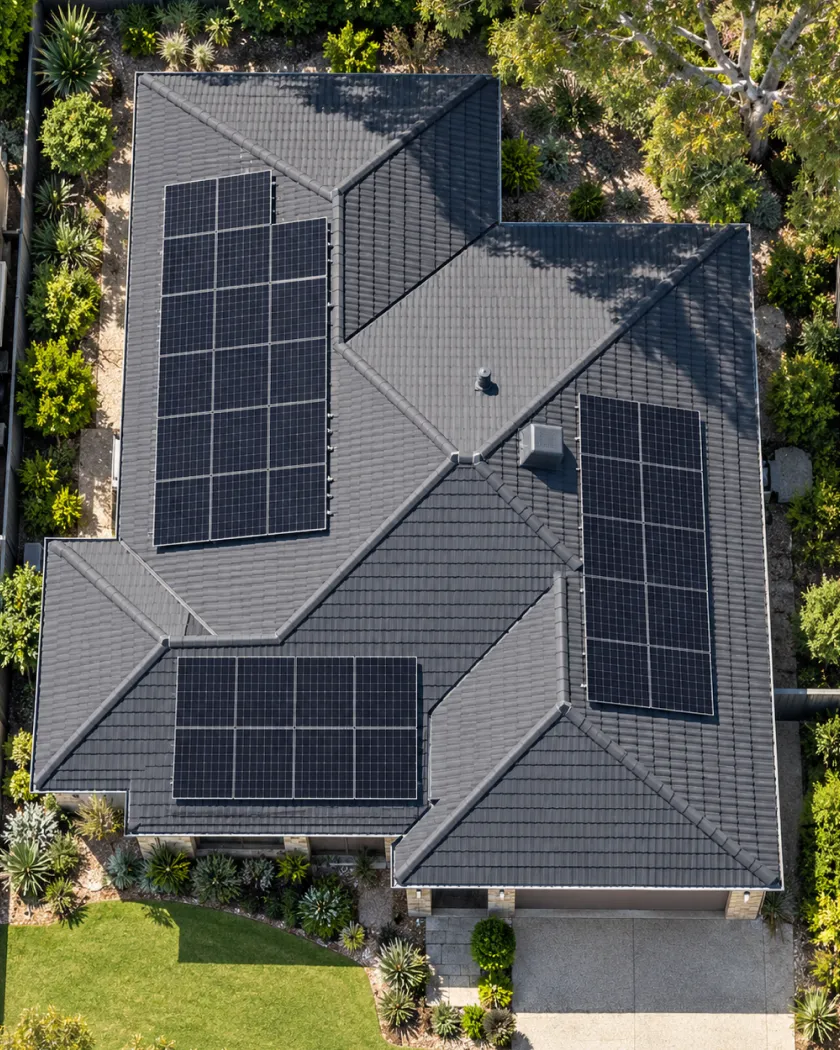
Allow roughly 55 to 60m² of unshaded roof. Higher-wattage panels are physically larger, so fewer panels don’t save much space.
Whether you can install 13kW depends on your power supply. Three-phase homes are usually the easiest fit. Single-phase homes are often limited to 5kW of inverter capacity or export, so your installer may need to fit an export limiter or use another setup your network allows. Ask for a site-specific layout showing where each panel sits, since shade from trees and buildings reduces output.
13kW solar system with battery
A hybrid inverter combines the solar inverter and the battery inverter in one unit, so ask which type is quoted. Our hybrid solar system covers the setup.
From 1 May 2026, the Cheaper Home Batteries Program was adjusted. The Minister described the discount as around 30%. The first 50kWh is eligible; batteries up to 100kWh remain eligible, and support per kWh moderates for larger batteries. Battery size follows your evening use rather than your array size. Check DCCEEW for the current rules.
STCs and 13kW solar system price
STC value depends on system size, up to 100kW, and your climate zone. Your installer normally applies for the certificates and shows their value as a discount, in exchange for you signing them over. We haven't listed dollar figures, because prices vary by installer and site. We haven't listed dollar figures, because prices vary by installer and site.
What a NETCC quote should cover
Let's Be Green is an approved seller under the New Energy Tech Consumer Code (NETCC), For a large system, these parts of it matter most:
The seller asks about your circumstances, needs and expectations, and records a short description of them in the quote.
Where the install is custom, a site-specific design and performance estimate is included.
Network connection steps are explained, along with any connection charges, and you can ask the seller to arrange approval.
Site conditions that could add charges, such as a meter exchange, are disclosed up front.
If the network rejects the connection application, you can cancel, and the refund is the amount paid minus reasonable expenses.
Complaints get a response target of 15 business days.