
Residential Solar System: What Australian Homeowners Should Know Before Buying
A residential solar system turns sunlight on your roof into electricity for your home. Whatever you don't use is exported to the grid or, if you have a battery, stored for the evening. The decisions around size, equipment and rebates are where households tend to overspend.
What a residential solar system includes
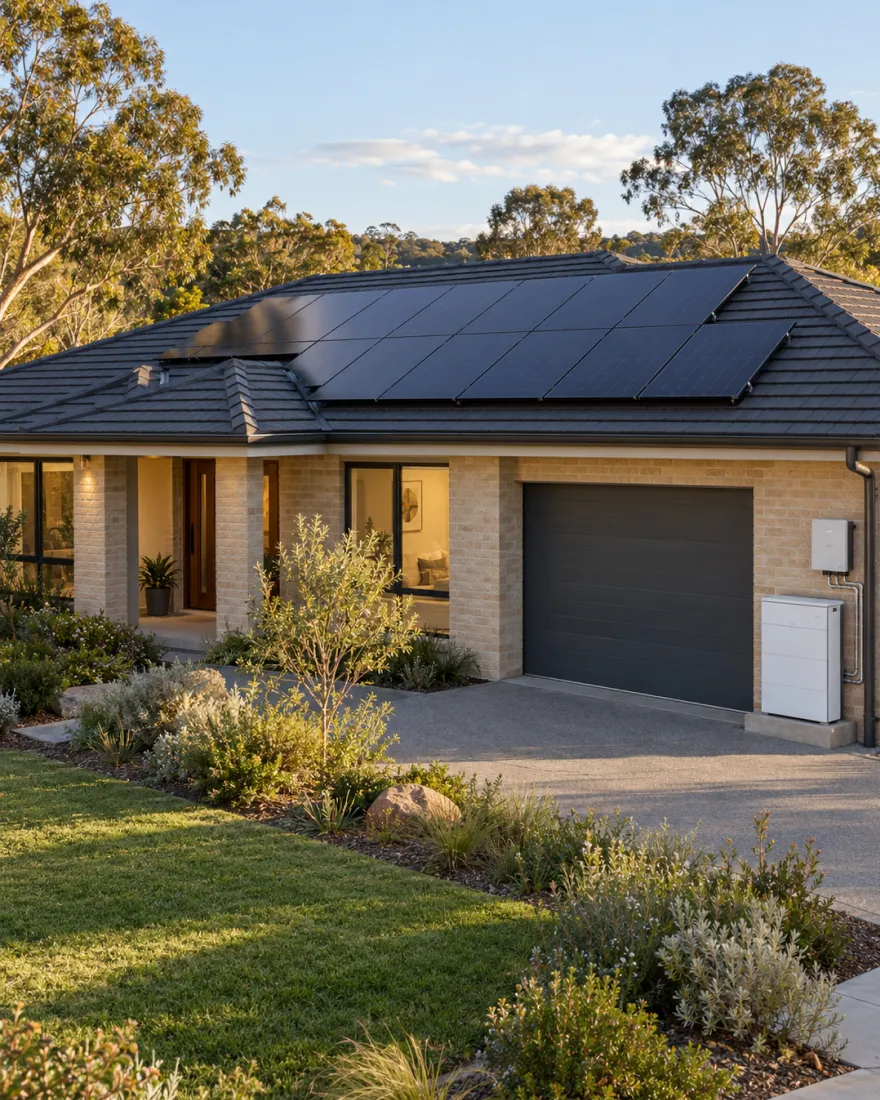
A typical home solar system has four parts. Solar panels generate direct current (DC) electricity. An inverter converts it to alternating current (AC), which is what your appliances use. A mounting frame fixes the panels to the roof, and a meter records what you import from and export to the grid.
Inverters come as string inverters, microinverters or hybrid inverters. A hybrid inverter combines the solar inverter and a battery inverter in one unit, so it is worth asking about if you might add a battery later. A string inverter usually lasts ten years or more but is likely to need repair or replacement during the life of the panels, so allow for that cost.
How to size a residential solar system?
-
The Australian Government's energy.gov.au guide lists five factors: sunny roof area, how much electricity you use and when, electricity pricing and feed-in tariffs, the sunshine where you live, and your budget. Start with your bill. Australian homes use roughly 11 to 23 kWh a day, and your bill shows your own daily average.
-
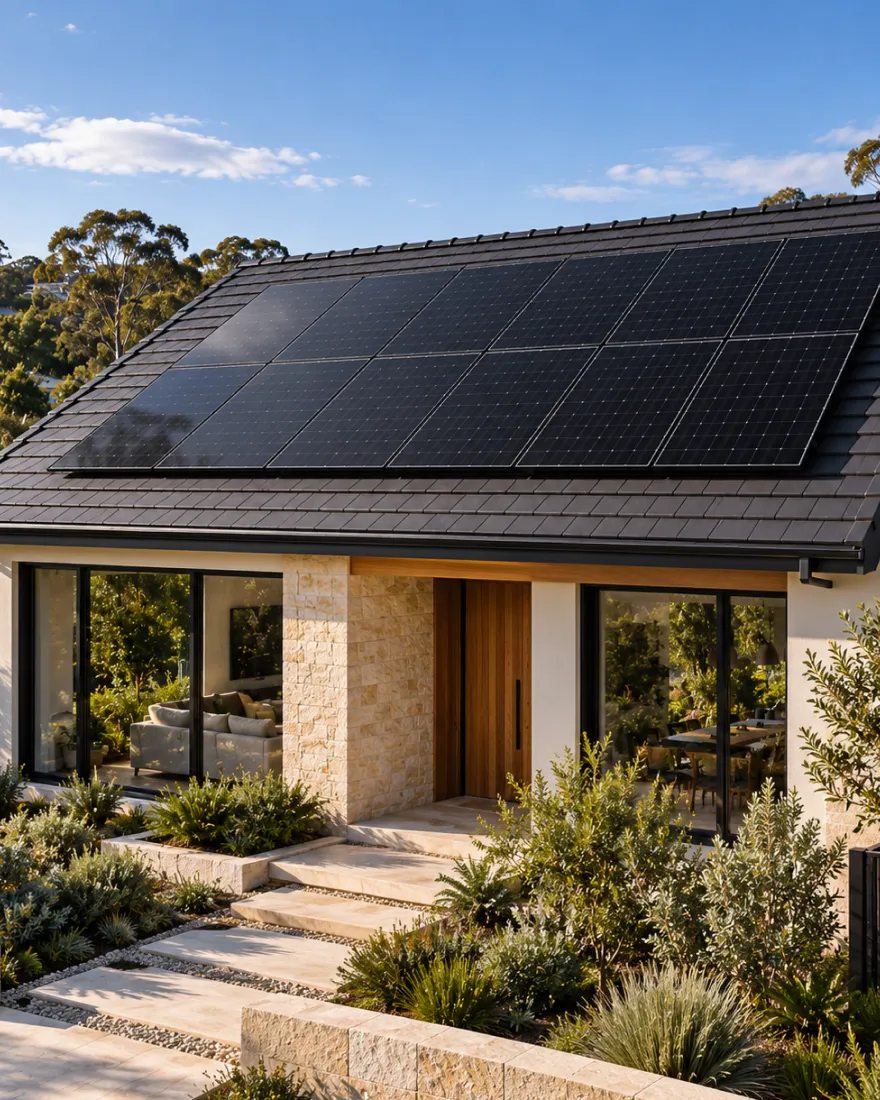
A common example is 19 panels of 350 watts each, which makes a 6.65 kW system. A 6.6kW system generates on average about 26 kWh on a sunny day in Sydney, about 28 kWh in Brisbane and about 23 kWh in Hobart.
-
Roof space matters too. One panel is often around 1.7 m², so a 6.6kW system can take 29 to 32 m² of roof, depending on panel ratings.
-
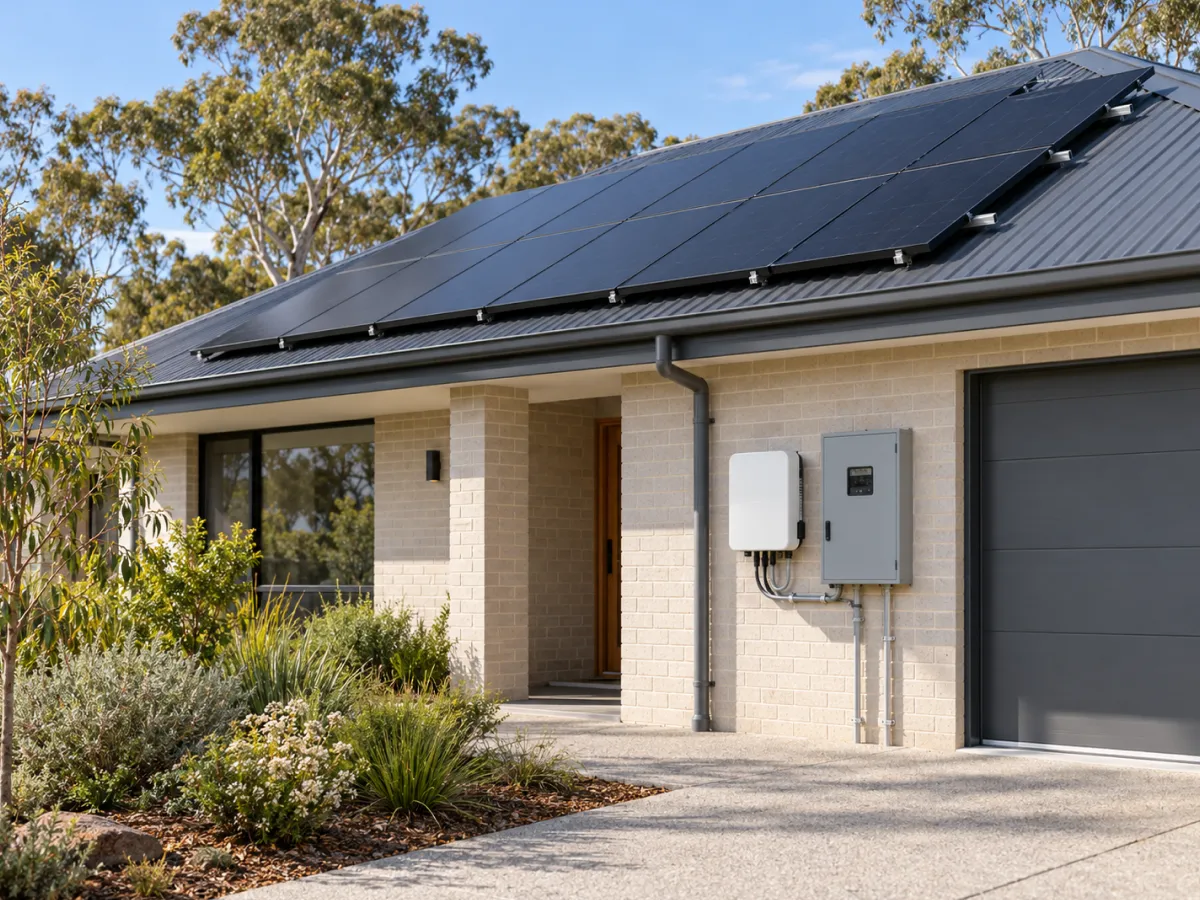
The inverter is sized separately from the panels. A 6.6kW solar system is often paired with a 5 kW inverter. Network connection limits commonly allow up to 10kW per phase on a single-phase connection and up to 30kW on three-phase, so check what your electricity distributor permits.
-
Timing matters as well. A household home on weekdays uses more of its own solar power than one that is empty until 6 pm.
Panel, inverter and workmanship warranties
-
Panel product warranty: between 10 and 15 years, with some manufacturers offering 25 years or more.
-
Panel performance warranty: almost all panels come with 25 years. One example standard is 90% of rated output up to 10 years and 80% up to 25 years.
-
Inverter product warranty: 5 to 10 years for string and hybrid inverters, 10 years for rail-attached microinverters and 25 years for panel-attached microinverters.
-
Workmanship warranty: usually 5 years, covering installation problems such as roof leaks from damaged tiles.

These sit alongside your rights under Australian Consumer Law. A warranty is only as useful as the company standing behind it, so ask who honours it if your installer stops trading.
Solar with or without a battery
A residential solar system without a battery sends its midday surplus to the grid. A battery stores that surplus for use after sunset. Whether it pays off depends on your evening usage, your feed-in tariff and the battery's cost after incentives.
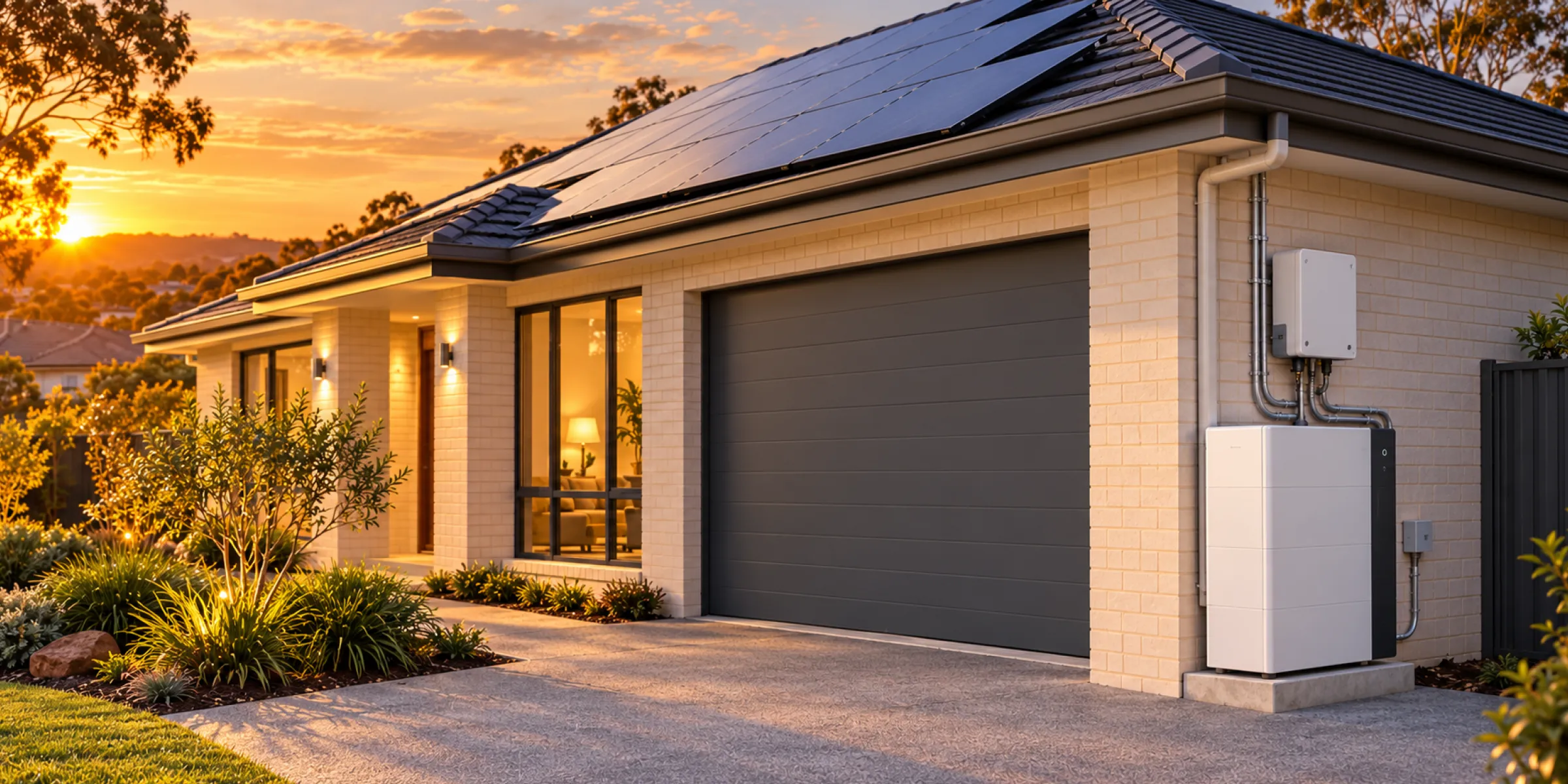
The federal Cheaper Home Batteries Program has changed since it launched. From 1 May 2026 the government adjusted it so the discount, which the Minister described as around 30%, is tied to sensible battery sizing. ged since it launched. From 1 May 2026 the government adjusted it so the discount, which the Minister described as around 30%, is tied to sensible battery sizing.
The first 50kWh of capacity is eligible for support, batteries up to 100 kWh remain eligible, and support per kWh moderates for medium and larger batteries. Check the current rules on the DCCEEW website before you buy, because this program is still being adjusted.
How the STC rebate works
-
Most home rooftop solar systems qualify for small-scale technology certificates (STCs). Their value depends on the system's size (up to a maximum of 100 kW) and the climate zone where it is installed.
-
Your installer normally applies for the STCs and sells them for you, and the value appears in your quote as a discount. By signing, you hand over ownership of the STCs in exchange for that discount.
-
The number of certificates falls each year because the deeming period, the estimate of how many years a system will generate. The same system therefore earns fewer certificates as the years pass. State and territory rebates and loans are separate and vary by location.
What to check on a residential solar quote

- The designer and installer are accredited by Solar Accreditation Australia (SAA). The Clean Energy Council no longer accredits installers.
- The installer holds an unrestricted electrical licence in your state or territory.
- The panels and inverter are on the Clean Energy Council's list of approved products at the time of installation.
- The STC discount is shown as its own line.
- Panel brand, model and wattage, inverter size and total system capacity are written down.
- Product, performance and workmanship warranty terms are stated in writing.